Love this? Save it for later!
Share the inspiration with your friends
“I wasn’t planning on baking anything fancy that Easter,” I admitted to my friend Clara as I rummaged through the kitchen cupboards. It was a chilly Saturday morning, and honestly, I was just looking for something quick and satisfying. But then Clara pulled out an old, slightly stained recipe card from her mother’s collection—a Portuguese tart recipe with a twist: dark chocolate folded into the creamy custard. “You’ve got to try these,” she insisted, flashing that mischievous grin.
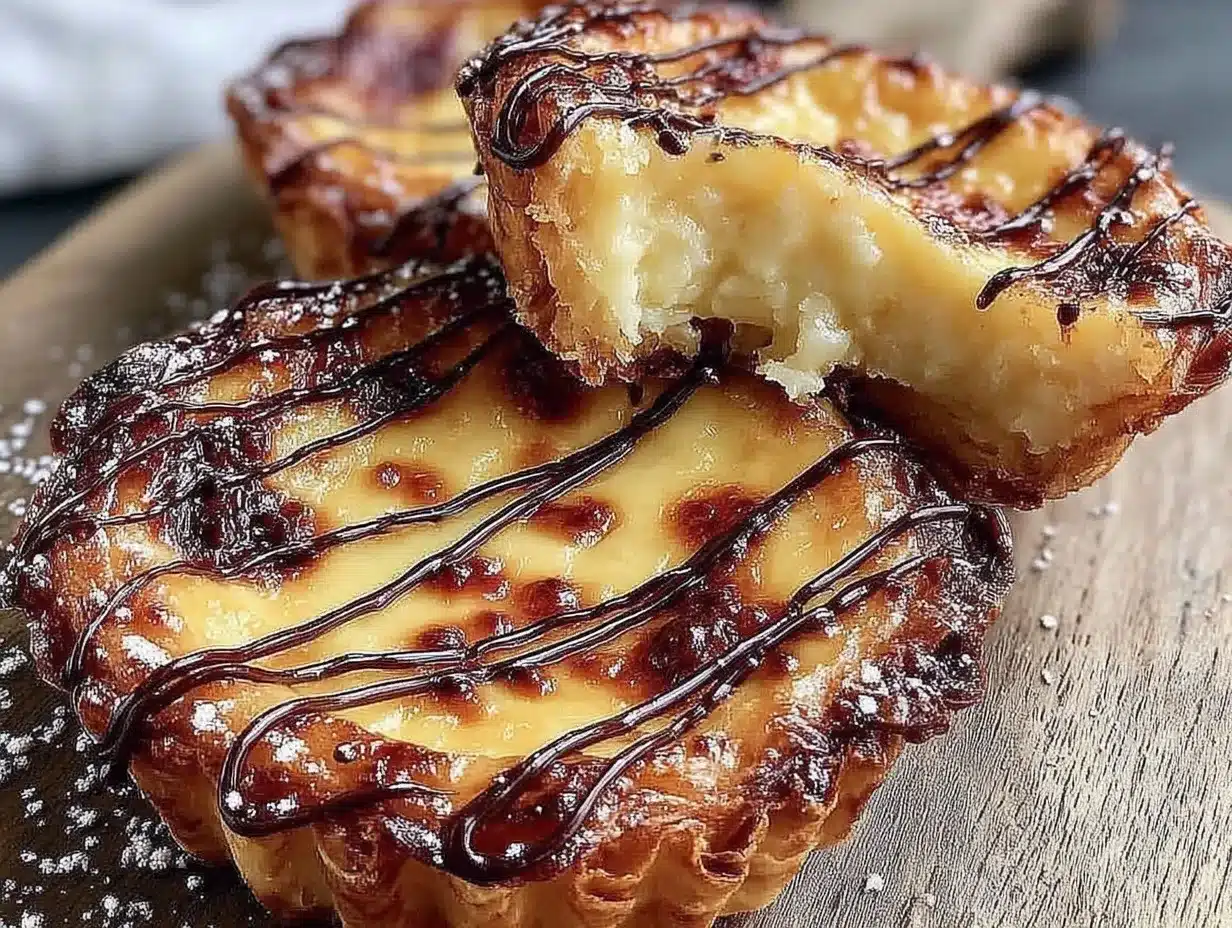
The smell of caramelizing sugar and flaky pastry soon filled my kitchen, and the whole process felt like a tiny adventure. I mean, who knew that the simple, beloved Portuguese tart could get even dreamier with a touch of bittersweet dark chocolate? The custard was silky and luscious, perfectly balancing the rich chocolate, and the pastry had that irresistible golden crunch. It reminded me of the excitement of Easter mornings, the kind where everything feels a little magical and unexpected.
Maybe you’ve been there too—looking for that one dessert that’s both comforting and special enough for a holiday. These Decadent Portuguese Tart Custard Tarts with Dark Chocolate became my secret weapon for Easter gatherings, the one that makes people pause and say, “Wait, what’s in this?” without me even having to explain. And honestly, the mess I made trying to get the custard just right was totally worth it. Let me tell you, this recipe stuck with me ever since, and I keep coming back to it year after year.
Why You’ll Love This Recipe
After several rounds of tweaking and some happy accidents, these custard tarts with dark chocolate have become my go-to Easter dessert. Here’s why I think you’ll adore making and eating them as much as I do:
- Quick & Easy: Ready in under 45 minutes, which is perfect when Easter plans sneak up on you.
- Simple Ingredients: Uses pantry staples like eggs, cream, and puff pastry—no need for a fancy grocery run.
- Perfect for Easter: The rich custard and a hint of chocolate feel indulgent yet traditional, fitting for spring celebrations.
- Crowd-Pleaser: Kids and adults alike rave about the creamy texture combined with that subtle chocolate surprise.
- Unbelievably Delicious: The contrast between flaky, buttery crust and smooth, bittersweet custard is truly next-level.
This isn’t just your average pastel de nata. The secret? Gently melting dark chocolate into the custard so it becomes part of the magic rather than overpowering it. And because I prefer using a high-quality 70% cocoa chocolate—like the kind you find at specialty shops or even your local market—the flavor is layered and sophisticated. Honestly, it’s the kind of treat that makes you close your eyes on the first bite and savor the moment.
It’s comfort food with a little twist, perfect for impressing guests without breaking a sweat. Plus, if you have leftovers (not that you usually do), they’re just as dreamy warmed up the next day.
What Ingredients You Will Need
This recipe is built on simple, wholesome ingredients that come together beautifully to deliver bold flavor and that satisfying custard texture without fuss. You probably have most of these in your kitchen already!
- Puff pastry: 1 sheet (about 8 ounces / 225 grams), thawed but still cold (I recommend Pepperidge Farm for consistent flakiness)
- Whole milk: 1 cup (240 ml), preferably full-fat for creaminess
- Heavy cream: 1/2 cup (120 ml), adds richness
- Granulated sugar: 3/4 cup (150 grams), for that classic caramelized sweetness
- Egg yolks: 5 large, room temperature (the heart of the custard)
- All-purpose flour: 2 tablespoons (15 grams), to help thicken the custard slightly
- Vanilla extract: 1 teaspoon, for subtle warmth
- Dark chocolate: 2 ounces (60 grams), chopped finely (70% cocoa recommended; use a good-quality bar like Lindt or Ghirardelli)
- Salt: A pinch, to balance the sweetness
Substitution tips: If you want a dairy-free version, swap the milk and cream for coconut milk and coconut cream, but expect a slightly different flavor. For gluten-free, use gluten-free puff pastry or try a tart crust alternative. And if you’re short on dark chocolate, bittersweet or even semi-sweet chips will work, but the flavor won’t be quite as rich.
Equipment Needed
- Tart tin or muffin pan: A 6-cup tartlet pan works best for perfect individual tarts. If you don’t have one, a standard muffin tin is fine, just grease well.
- Mixing bowls: Several, for eggs, custard, and chocolate melting.
- Whisk: For blending eggs and sugar smoothly.
- Saucepan: To heat milk and cream gently.
- Fine mesh sieve: Optional but recommended to strain the custard for silky texture.
- Rolling pin: To roll out puff pastry evenly.
- Pastry brush: Helpful for brushing egg wash or butter if desired.
Personally, I’ve tried silicone muffin pans, and while they work, the traditional metal tart pans give the best crisp edges. If you’re on a budget, muffin tins are a great start, and you can reuse them for countless other recipes. Keep your tart tins greased lightly with butter or non-stick spray to avoid any sticky situations!
Preparation Method
- Preheat your oven to 400°F (200°C). Make sure the rack is in the middle position for even baking.
- Prepare the puff pastry: On a lightly floured surface, roll out the thawed puff pastry sheet to about 1/8-inch (3 mm) thickness. Cut into 6 circles slightly larger than your tart pans. Gently press the pastry into each tart cup, trimming excess edges. I usually save scraps for a quick cinnamon sugar snack later!
- Heat the milk and cream: In a medium saucepan, combine the milk and heavy cream. Warm over medium heat until just about to simmer — small bubbles forming at the edges but not boiling. Remove from heat.
- Mix sugar, flour, and egg yolks: In a bowl, whisk together the granulated sugar, flour, and egg yolks until pale and smooth. Slowly pour the warm milk mixture into the bowl in a steady stream, whisking constantly to avoid curdling.
- Cook the custard: Return the mixture to the saucepan and cook over low heat, stirring constantly with a wooden spoon or spatula. The custard will thicken after about 5-7 minutes. Be patient and keep stirring to prevent lumps or burning.
- Remove from heat and add vanilla and salt: Stir in the vanilla extract and a pinch of salt. Let the custard cool slightly for 3-5 minutes but don’t let it set.
- Melt the dark chocolate: Set the chopped chocolate in a heatproof bowl over a pan of simmering water (double boiler). Stir gently until smooth and glossy. Alternatively, microwave in short bursts, stirring in between to avoid burning.
- Blend chocolate into custard: Slowly whisk the melted chocolate into the warm custard until fully incorporated and silky.
- Strain the custard: For an ultra-smooth finish, pour the custard through a fine mesh sieve into another bowl. This step captures any bits of cooked egg or lumps.
- Fill tart shells: Spoon the custard mixture evenly into the prepared pastry shells, about 3/4 full to allow room for slight puffing.
- Bake: Place the tart pans on a baking sheet and bake in the preheated oven for 15-18 minutes. The custard should be set with a slight jiggle in the center and the pastry golden brown and crisp.
- Cool and serve: Let the tarts cool in the pan for 5 minutes before transferring to a wire rack. Best enjoyed slightly warm or at room temperature.
Pro tip: If the custard browns too quickly, loosely cover the tarts with foil halfway through baking. Also, watch the oven carefully—you want a caramelized top without burning.
Cooking Tips & Techniques
Making Portuguese custard tarts with dark chocolate can feel intimidating at first, but a few insider tips can really make a difference:
- Use room temperature eggs: This helps the custard blend smoothly without clumps.
- Slow and steady heating: Don’t rush the custard cooking. Low, consistent heat and constant stirring keep it silky.
- Chocolate quality matters: I learned the hard way that cheap chocolate can taste waxy or grainy when melted. Stick to good baking chocolate for best results.
- Let the custard rest: After cooking, let it cool briefly but don’t chill fully before baking—warm custard fills and bakes better.
- Don’t overfill: Leave space in the tart cups; custard puffs slightly and you want neat edges.
- Watch the oven: Each oven’s heat varies. Check for visual cues—golden pastry and lightly caramelized custard tops.
Honestly, my first batch had a slightly cracked custard surface because I hurried the heating process. Now I know patience pays off! Also, multitasking helps—while the custard thickens, you can prep the pastry and melt the chocolate, making the whole process smooth and efficient.
Variations & Adaptations
These tarts are versatile and can be adapted to fit different tastes or dietary needs:
- Seasonal fruit twist: Add a spoonful of raspberry or orange marmalade at the bottom of each tart shell before filling for a bright flavor contrast.
- Vegan version: Use coconut cream and plant-based milk, and substitute eggs with a blend of cornstarch and silken tofu for the custard base. Use vegan dark chocolate to keep it entirely plant-based.
- Spiced custard: Stir in a pinch of cinnamon, nutmeg, or cardamom to the custard for a warming flavor, perfect for cooler Easter mornings.
- Different chocolate types: Swap dark chocolate for white chocolate or milk chocolate for a sweeter, creamier profile.
- My personal favorite: Sometimes I sprinkle flaky sea salt on top right after baking for a salty-sweet surprise that’s irresistible.
Serving & Storage Suggestions
These custard tarts are best served slightly warm or at room temperature to fully appreciate that creamy, chocolate-infused custard and flaky crust. I like to present them with a dusting of powdered sugar or a few fresh berries on the side for color and freshness.
They pair wonderfully with a cup of strong coffee or a light dessert wine, especially for Easter brunch or after-dinner indulgence.
For storage, keep the tarts in an airtight container in the refrigerator. They remain delicious for up to 3 days, though the pastry can soften over time. To revive crispness, gently warm them in a 350°F (175°C) oven for 5-7 minutes before serving.
Flavors tend to mellow and deepen after a day, so if you’re planning ahead, these tarts actually taste even better the next day—just don’t forget to warm them slightly!
Nutritional Information & Benefits
Each tart contains approximately:
| Calories | Fat | Carbohydrates | Protein |
|---|---|---|---|
| 310 kcal | 20 g | 25 g | 5 g |
The recipe offers a good balance of protein and fat from the eggs and cream, providing sustained energy. Dark chocolate contributes antioxidants and can improve mood, which is perfect for a festive occasion like Easter. Of course, these tarts are indulgent treats, so enjoy them mindfully.
For those with dietary restrictions, gluten-free pastry options or dairy-free cream substitutes can make this recipe accessible without sacrificing too much on taste.
Conclusion
These Decadent Portuguese Tart Custard Tarts with Dark Chocolate are a little slice of Easter magic. They’re impressive but surprisingly easy to make, combining traditional flavors with a luscious chocolate twist that’s hard to resist. I love how adaptable they are—you can keep them classic or personalize them to your taste.
Whether you’re baking for family, friends, or just to treat yourself, this recipe has become one I return to again and again. So go ahead, give it a try and let me know how your batch turns out. I’d love to hear your favorite variations or any tips you discover along the way!
Happy baking and a joyful Easter to you!
FAQs
Can I make these custard tarts ahead of time?
Yes! You can prepare the custard and tart shells separately and assemble just before baking. The tarts also keep well in the fridge for up to 3 days; reheat gently before serving.
What if I don’t have puff pastry?
You can use a shortcrust pastry or even a pre-made tart shell, but puff pastry gives the classic flaky texture that’s signature to Portuguese tarts.
Can I use milk chocolate instead of dark chocolate?
Absolutely! Milk chocolate will make the custard sweeter and creamier, but the dark chocolate adds a nice depth and slight bitterness that balances the sweetness.
How do I prevent the custard from cracking?
Cook the custard gently over low heat and avoid rapid temperature changes. Also, baking at the right temperature and not overbaking helps keep the surface smooth.
Is there a vegan version of this recipe?
Yes, by using plant-based milks and creams, egg substitutes like silken tofu or cornstarch, and vegan chocolate, you can create a delicious dairy-free and egg-free version.
Pin This Recipe!

Decadent Portuguese Tart Custard Tarts with Dark Chocolate
A luscious twist on the classic Portuguese custard tart, featuring silky custard infused with bittersweet dark chocolate and a flaky, golden puff pastry crust. Perfect for Easter or any special occasion.
- Prep Time: 15 minutes
- Cook Time: 18 minutes
- Total Time: 33 minutes
- Yield: 6 servings 1x
- Category: Dessert
- Cuisine: Portuguese
Ingredients
- 1 sheet puff pastry (about 8 ounces / 225 grams), thawed but still cold
- 1 cup whole milk (240 ml)
- 1/2 cup heavy cream (120 ml)
- 3/4 cup granulated sugar (150 grams)
- 5 large egg yolks, room temperature
- 2 tablespoons all-purpose flour (15 grams)
- 1 teaspoon vanilla extract
- 2 ounces dark chocolate (60 grams), finely chopped (70% cocoa recommended)
- Pinch of salt
Instructions
- Preheat your oven to 400°F (200°C). Place the rack in the middle position.
- On a lightly floured surface, roll out the thawed puff pastry sheet to about 1/8-inch (3 mm) thickness. Cut into 6 circles slightly larger than your tart pans. Gently press the pastry into each tart cup, trimming excess edges.
- In a medium saucepan, combine the milk and heavy cream. Warm over medium heat until just about to simmer (small bubbles forming at the edges but not boiling). Remove from heat.
- In a bowl, whisk together the granulated sugar, flour, and egg yolks until pale and smooth. Slowly pour the warm milk mixture into the bowl in a steady stream, whisking constantly to avoid curdling.
- Return the mixture to the saucepan and cook over low heat, stirring constantly with a wooden spoon or spatula until the custard thickens (about 5-7 minutes).
- Remove from heat and stir in the vanilla extract and a pinch of salt. Let the custard cool slightly for 3-5 minutes but do not let it set.
- Melt the dark chocolate in a heatproof bowl over a pan of simmering water (double boiler) or microwave in short bursts, stirring frequently until smooth.
- Slowly whisk the melted chocolate into the warm custard until fully incorporated and silky.
- Strain the custard through a fine mesh sieve into another bowl for an ultra-smooth finish.
- Spoon the custard evenly into the prepared pastry shells, filling about 3/4 full.
- Place the tart pans on a baking sheet and bake for 15-18 minutes until the custard is set with a slight jiggle and the pastry is golden brown and crisp.
- Let the tarts cool in the pan for 5 minutes before transferring to a wire rack. Serve slightly warm or at room temperature.
Notes
Use room temperature eggs for smooth custard. Cook custard slowly over low heat with constant stirring to avoid lumps. Use high-quality dark chocolate for best flavor. If custard browns too quickly, cover tarts loosely with foil halfway through baking. Do not overfill tart shells to allow custard to puff slightly. Leftovers can be warmed in a 350°F oven for 5-7 minutes to revive crispness.
Nutrition
- Serving Size: 1 tart
- Calories: 310
- Fat: 20
- Carbohydrates: 25
- Protein: 5
Keywords: Portuguese tart, custard tart, pastel de nata, dark chocolate, Easter dessert, puff pastry, custard, chocolate custard tart