Love this? Save it for later!
Share the inspiration with your friends
My husband took a bite of the first test batch, chewed for a second, and then just looked at me with those wide eyes that say you’ve done it again. He didn’t even say anything—he just reached for another one before swallowing the first. That’s the thing about these spicy Korean BBQ meatballs. They have a way of making people forget their manners.
I wasn’t trying to reinvent the wheel that night. I had ground beef in the fridge, a half-used bottle of gochujang from a spicy miso ramen experiment, and a craving for something that felt like takeout but didn’t require a phone call. The first batch came out okay. A little dry, honestly. The second batch? That’s when I realized the secret wasn’t in the sauce—it was in how you treat the meat itself.
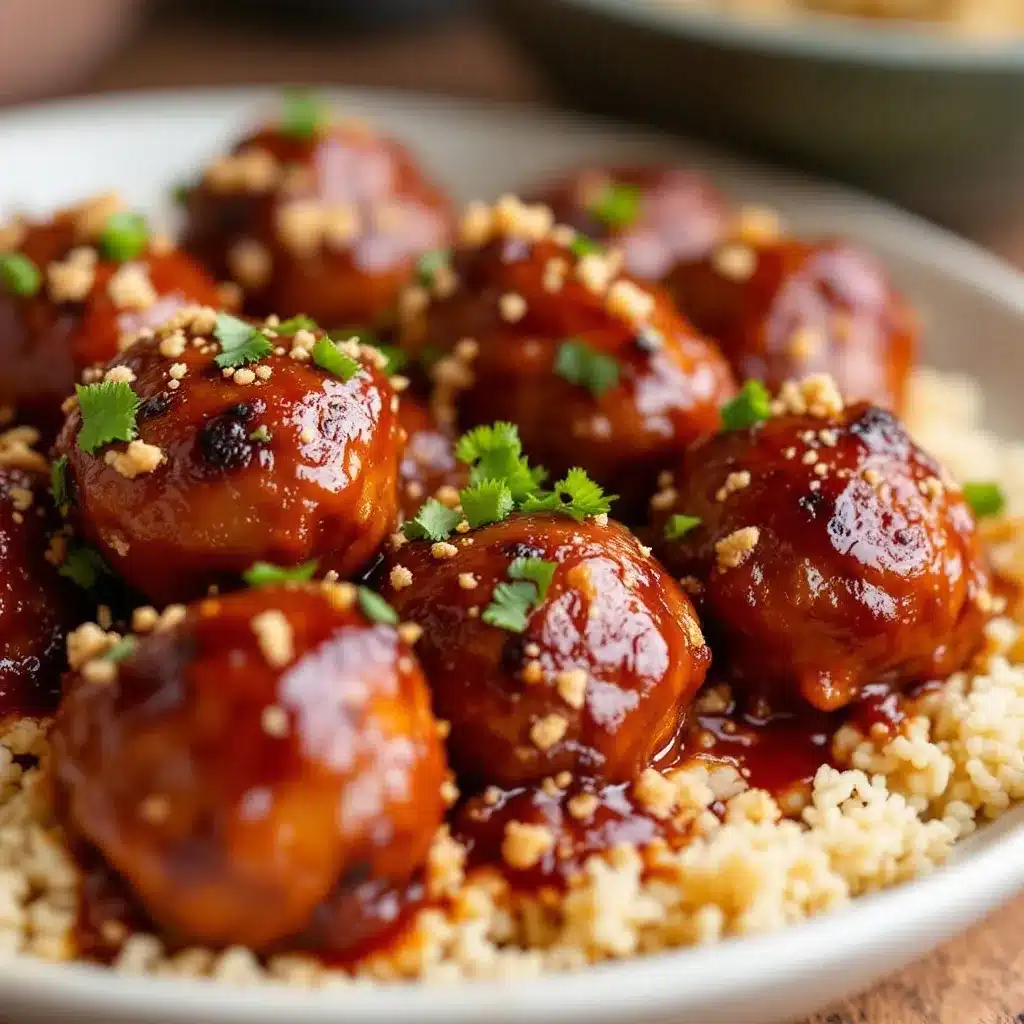
These meatballs are juicy, caramelized on the edges, and coated in a sticky-sweet-spicy glaze that clings to every ridge. The gochujang gives them that deep, fermented heat that builds slowly, while brown sugar and soy sauce round everything out. You get the savory umami of Korean BBQ without having to fire up a grill or marinate anything overnight. (Though if you’ve got time, trust me, it helps.)
Honestly, I’ve made these for weeknight dinners, game day spreads, and even a casual dinner party where someone asked for the recipe before the plate hit the table. They’re that kind of recipe—the one you’ll keep coming back to because it works, and because it makes you look like you tried harder than you actually did.
So if you’re looking for a recipe that delivers big flavor with minimal fuss, you’re in the right place. Let’s make some meatballs.
Why You’ll Love This Recipe
I’ve tested this recipe more times than I care to admit, tweaking the ratios and cooking methods until every batch came out consistently perfect. Here’s why these meatballs deserve a spot in your regular rotation:
- Quick & Easy: From start to finish, these meatballs are on the table in about 30 minutes. Perfect for those nights when you want something impressive but don’t have the energy for a long cook.
- Simple Ingredients: You probably have most of these in your pantry right now. The only “special” ingredient is gochujang, and it’s worth keeping on hand for all kinds of dishes.
- Perfect for Game Day: These meatballs hold up beautifully on a buffet table. They’re the kind of thing people hover around, grabbing one after another. Pair them with buffalo chicken dip for the ultimate spread.
- Crowd-Pleaser: I’ve served these to spice-wary friends and hardcore heat-seekers alike. Everyone finds something to love—the sweetness, the heat, the texture.
- Unbelievably Delicious: The glaze caramelizes in the oven, creating these little crispy edges that are pure gold. The inside stays tender and juicy because of a simple trick I’ll share below.
What sets this recipe apart is the technique. Most meatball recipes rely on breadcrumbs and eggs for binding, but I use a panade (a paste of bread and milk) that keeps the meat incredibly moist. Combined with the bold flavors of gochujang, ginger, and garlic, these meatballs taste like they came from a Korean BBQ restaurant—but they’re made in your own kitchen.
This is the kind of recipe that makes you close your eyes after the first bite. It’s comfort food with a kick, and it’s exactly what you need when you want something satisfying without spending hours in the kitchen.
What Ingredients You Will Need
This recipe uses simple, everyday ingredients to create something truly special. The magic comes from balancing sweet, savory, and spicy elements, and every component plays a role in building that signature Korean BBQ flavor.
For the Meatballs
- Ground beef (1 lb / 450g): I recommend 80/20 blend for the juiciest meatballs. Leaner blends work, but they won’t be as tender. (You can also use ground pork or a mix of both.)
- Panko breadcrumbs (1/2 cup / 45g): These give the meatballs a lighter texture than regular breadcrumbs. If you don’t have panko, crush up some plain crackers or use regular breadcrumbs.
- Milk (1/4 cup / 60ml): This combines with the breadcrumbs to create a panade, which keeps the meatballs moist. Any kind of milk works, including dairy-free options.
- Green onions (3, finely chopped): They add freshness and a mild onion flavor. Save a few slices for garnish later.
- Garlic (3 cloves, minced): Fresh garlic is non-negotiable here. The jarred stuff just doesn’t have the same punch.
- Fresh ginger (1 tablespoon, grated): Ginger adds warmth and a little zing. I use a microplane for this—it releases all the juice and flavor.
- Gochujang (1 tablespoon): This Korean chili paste is the star of the show. It’s thick, slightly sweet, and deeply spicy. I prefer the brand O’Food for its balanced heat.
- Soy sauce (1 tablespoon): Use low-sodium if you’re watching your salt intake. It adds umami without overpowering the other flavors.
- Sesame oil (1 teaspoon): Just a touch for that nutty, toasty flavor that screams Korean cuisine.
- Egg (1 large): Helps bind everything together. If you’re out of eggs, you can use a flax egg (1 tablespoon flaxseed meal + 3 tablespoons water).
- Salt (1/2 teaspoon) and black pepper (1/4 teaspoon): Simple seasonings to bring out the flavors.
For the Glaze
- Gochujang (2 tablespoons): More of that beautiful red paste for the glaze. It thickens and caramelizes in the oven beautifully.
- Brown sugar (3 tablespoons, packed): This balances the heat with sweetness and helps create that sticky glaze. Dark brown sugar adds a deeper molasses flavor.
- Soy sauce (2 tablespoons): For saltiness and depth.
- Rice vinegar (1 tablespoon): Adds a little acidity to cut through the richness. Apple cider vinegar works in a pinch.
- Sesame oil (1 teaspoon): More of that nutty goodness.
- Garlic (1 clove, minced): Because you can never have too much garlic.
- Water (2 tablespoons): Thins the glaze slightly so it coats the meatballs evenly.
For Garnish
- Sesame seeds (1 tablespoon, toasted): For that classic finish.
- Green onions (2, sliced): A fresh pop of color and flavor.
- Optional: Fresh cilantro or red pepper flakes for extra heat and freshness.
Equipment Needed
You don’t need a lot of fancy tools for this recipe, which is one of the reasons I love it. Here’s what you’ll need:
- Large mixing bowl: For combining the meatball ingredients. Glass or stainless steel works best.
- Baking sheet: A rimmed baking sheet is ideal for catching any glaze drips. Line it with parchment paper or foil for easier cleanup.
- Wire rack: Placing a wire rack on the baking sheet allows heat to circulate around the meatballs, giving you even browning. If you don’t have one, just place the meatballs directly on the lined sheet—they’ll still be delicious, though slightly less crispy on the bottom.
- Small saucepan: For making the glaze. A 1-quart saucepan is perfect.
- Whisk: To ensure the glaze is smooth and lump-free.
- Microplane or fine grater: For grating the ginger and garlic. This releases more flavor than chopping.
- Cookie scoop or measuring spoon: For uniform meatballs. A 1.5-tablespoon scoop is my go-to for consistent size.
- Pastry brush: For applying the glaze. A silicone brush is easiest to clean.
If you’re on a budget, skip the wire rack and just flip the meatballs halfway through cooking. I’ve done it plenty of times and the results are still fantastic.
Preparation Method
Step 1: Make the Panade
In your large mixing bowl, combine the panko breadcrumbs and milk. Stir them together and let it sit for about 5 minutes. The breadcrumbs will absorb the milk and turn into a paste. This is your panade, and it’s the secret to tender, juicy meatballs that don’t dry out in the oven. (I learned this trick from my grandmother’s meatball recipe, and it’s never failed me.)
Step 2: Mix the Meatball Ingredients
Add the ground beef, chopped green onions, minced garlic, grated ginger, gochujang, soy sauce, sesame oil, egg, salt, and pepper to the bowl with the panade. Use your hands to gently mix everything together. Don’t overwork the meat—mix just until everything is combined. Overmixing can make the meatballs tough. You’ll know it’s ready when the mixture feels cohesive but still slightly tacky.
Step 3: Form the Meatballs
Preheat your oven to 400°F (200°C). Line your baking sheet with parchment paper or foil, and place a wire rack on top if you’re using one.
Using your cookie scoop or a tablespoon, portion out the meat mixture and roll it into balls about 1.5 inches in diameter. You should get about 20-24 meatballs. Place them on the prepared rack or baking sheet, leaving a little space between each one so they brown evenly.
Step 4: Make the Glaze
While the meatballs rest, make the glaze. In your small saucepan, combine the gochujang, brown sugar, soy sauce, rice vinegar, sesame oil, minced garlic, and water. Whisk everything together over medium heat. Bring it to a gentle simmer, then reduce the heat to low and let it cook for 3-4 minutes, stirring occasionally. The glaze will thicken slightly and become glossy. Remove it from the heat and set it aside.
Step 5: Bake the Meatballs
Place the meatballs in the preheated oven and bake for 12 minutes. They should be browned on the outside and cooked through. If you’re not using a wire rack, flip each meatball halfway through for even browning.
Step 6: Glaze and Finish
Remove the meatballs from the oven. Using your pastry brush, generously coat each meatball with the glaze. Return them to the oven for another 3-4 minutes. The glaze will caramelize and create those irresistible sticky edges.
For extra glaze, brush on a second coat after they come out of the oven. Let them rest for 2-3 minutes before serving—this allows the glaze to set slightly and makes them easier to handle.
Step 7: Garnish and Serve
Transfer the meatballs to a serving platter. Sprinkle with toasted sesame seeds and sliced green onions. If you’re feeling fancy, add a few fresh cilantro leaves or a pinch of red pepper flakes for extra heat.
Cooking Tips & Techniques
I’ve made these meatballs probably a dozen times now, and I’ve picked up a few tricks along the way. Here’s what I’ve learned:
- Don’t skip the panade. I know it’s an extra step, but it makes a huge difference. The breadcrumb-milk paste keeps the meatballs tender and prevents them from drying out. I’ve tried making these without it, and they were noticeably denser.
- Use a light hand when mixing. The more you handle the meat, the tougher the meatballs will be. Mix until everything just comes together, then stop. Trust me on this one.
- Chill the meatballs before baking. If you have time, pop the formed meatballs in the fridge for 15-20 minutes before baking. This helps them hold their shape and prevents them from flattening out in the oven.
- Toast your sesame seeds. Raw sesame seeds are fine, but toasting them in a dry pan over medium heat for 2-3 minutes brings out their nutty flavor. Watch them carefully—they burn quickly.
- Don’t overcrowd the pan. If the meatballs are too close together, they’ll steam instead of brown. Give them room to breathe.
- Double the glaze. I always make extra glaze because it’s so good. You can serve the extra on the side for dipping or drizzle it over rice and vegetables.
One mistake I made early on was not tasting the glaze before brushing it on. The balance of sweet and spicy is personal—if you want more heat, add an extra teaspoon of gochujang. If you prefer it sweeter, add another tablespoon of brown sugar. Adjust it to your liking.
Variations & Adaptations
These meatballs are incredibly versatile. Here are a few ways to change them up:
Dietary Adaptations
- Gluten-Free: Use gluten-free panko breadcrumbs and tamari instead of soy sauce. The rest of the ingredients are naturally gluten-free.
- Dairy-Free: Swap the milk in the panade for unsweetened almond milk or oat milk. The meatballs will still be tender.
- Low-Carb / Keto: Replace the panko with almond flour or crushed pork rinds. Use a sugar substitute like monk fruit sweetener in the glaze.
Flavor Variations
- Spicy Honey Version: Replace the brown sugar in the glaze with honey for a different kind of sweetness. The honey will caramelize beautifully.
- Garlic Lovers: Double the garlic in both the meatballs and the glaze. Roast a head of garlic and mash it into the meat mixture for extra depth.
- Smoky Twist: Add 1 teaspoon of smoked paprika to the meatball mixture. It adds a subtle smokiness that pairs well with the gochujang.
Cooking Method Variations
- Air Fryer: Cook the meatballs at 375°F (190°C) for 8-10 minutes, then brush with glaze and cook for another 2-3 minutes. They come out extra crispy.
- Stovetop: Brown the meatballs in a skillet with a little oil, then add the glaze and simmer for 5-7 minutes until cooked through. This method gives you a saucier finish.
- Slow Cooker: Brown the meatballs first (optional but recommended), then add them to the slow cooker with the glaze. Cook on low for 2-3 hours. Perfect for parties.
I once made a batch with ground turkey instead of beef, and while they were a bit leaner, they still came out delicious. Just add an extra tablespoon of olive oil to keep them moist.
Serving & Storage Suggestions
These meatballs are incredibly versatile when it comes to serving. Here are my favorite ways to enjoy them:
- As an Appetizer: Serve them on a platter with toothpicks and a side of extra glaze or avocado salsa for dipping. They disappear fast at parties.
- Over Rice: Serve the meatballs over steamed jasmine rice or sticky rice with a drizzle of the extra glaze. Add a side of quick-pickled cucumbers or pickled cherry tomatoes for brightness.
- In Lettuce Wraps: Wrap each meatball in a butter lettuce leaf with some rice, fresh herbs, and a squeeze of lime. It’s light, fresh, and perfect for summer.
- As a Bowl: Build a Korean BBQ bowl with rice, sautéed vegetables, kimchi, and a fried egg. Top with the meatballs and extra glaze.
Storage Instructions
- Refrigerator: Store leftover meatballs in an airtight container in the refrigerator for up to 4 days. The flavors actually deepen overnight, so they’re even better the next day.
- Freezer: These meatballs freeze beautifully. Place them on a baking sheet and freeze until solid, then transfer them to a freezer-safe bag or container. They’ll keep for up to 3 months. Thaw in the refrigerator overnight before reheating.
Reheating Tips
- Oven: Reheat at 350°F (175°C) for 8-10 minutes, or until warmed through. Brush with a little extra glaze if you have it.
- Microwave: For a quick fix, microwave on high for 1-2 minutes. The glaze might get a bit sticky, but they’ll still taste great.
- Stovetop: Reheat in a skillet over medium heat with a splash of water or extra glaze. This method helps restore the caramelized exterior.
Nutritional Information & Benefits
While these meatballs are definitely a treat, they also offer some surprising nutritional benefits. Here’s a rough breakdown per serving (about 4 meatballs):
| Nutrient | Amount |
|---|---|
| Calories | 320 |
| Protein | 22g |
| Fat | 18g |
| Carbohydrates | 18g |
| Fiber | 1g |
| Sugar | 12g |
| Sodium | 680mg |
Best Spicy Korean BBQ Meatballs Recipe

Juicy, caramelized meatballs coated in a sticky-sweet-spicy gochujang glaze. Ready in about 30 minutes, they’re perfect for weeknight dinners, game day spreads, or casual dinner parties.
- Prep Time: 15 minutes
- Cook Time: 15 minutes
- Total Time: 30 minutes
- Yield: 4 servings 1x
- Category: Main Course
- Cuisine: Korean
Ingredients
- 1 lb (450g) ground beef (80/20 blend)
- 1/2 cup (45g) panko breadcrumbs
- 1/4 cup (60ml) milk
- 3 green onions, finely chopped
- 3 cloves garlic, minced
- 1 tablespoon fresh ginger, grated
- 1 tablespoon gochujang
- 1 tablespoon soy sauce (low-sodium if desired)
- 1 teaspoon sesame oil
- 1 large egg
- 1/2 teaspoon salt
- 1/4 teaspoon black pepper
- 2 tablespoons gochujang (for glaze)
- 3 tablespoons brown sugar, packed (for glaze)
- 2 tablespoons soy sauce (for glaze)
- 1 tablespoon rice vinegar (for glaze)
- 1 teaspoon sesame oil (for glaze)
- 1 clove garlic, minced (for glaze)
- 2 tablespoons water (for glaze)
- 1 tablespoon sesame seeds, toasted (for garnish)
- 2 green onions, sliced (for garnish)
- Optional: fresh cilantro or red pepper flakes (for garnish)
Instructions
- Make the panade: In a large mixing bowl, combine panko breadcrumbs and milk. Stir and let sit for 5 minutes until a paste forms.
- Mix the meatball ingredients: Add ground beef, chopped green onions, minced garlic, grated ginger, 1 tablespoon gochujang, 1 tablespoon soy sauce, 1 teaspoon sesame oil, egg, salt, and pepper to the panade. Gently mix with your hands until just combined.
- Form the meatballs: Preheat oven to 400°F (200°C). Line a baking sheet with parchment paper or foil and place a wire rack on top if using. Using a cookie scoop or tablespoon, form the mixture into 1.5-inch meatballs (about 20-24). Place on prepared rack or sheet.
- Make the glaze: In a small saucepan, combine 2 tablespoons gochujang, brown sugar, 2 tablespoons soy sauce, rice vinegar, 1 teaspoon sesame oil, 1 clove minced garlic, and water. Whisk over medium heat until simmering. Reduce heat to low and cook 3-4 minutes, stirring occasionally, until thickened and glossy. Remove from heat.
- Bake the meatballs: Bake for 12 minutes until browned and cooked through. If not using a wire rack, flip halfway through.
- Glaze and finish: Remove meatballs from oven. Brush generously with glaze. Return to oven for 3-4 minutes until glaze caramelizes. For extra glaze, brush on a second coat after removing from oven. Let rest 2-3 minutes.
- Garnish and serve: Transfer to a serving platter. Sprinkle with toasted sesame seeds and sliced green onions. Add optional cilantro or red pepper flakes if desired.
Notes
Don’t skip the panade—it keeps meatballs tender. Use a light hand when mixing to avoid toughness. For extra flavor, chill formed meatballs for 15-20 minutes before baking. Toast sesame seeds in a dry pan for 2-3 minutes. Double the glaze for extra dipping. Adjust sweetness or spiciness to taste.
Nutrition
- Serving Size: 4 meatballs
- Calories: 320
- Sugar: 12
- Sodium: 680
- Fat: 18
- Carbohydrates: 18
- Fiber: 1
- Protein: 22
Keywords: Korean BBQ meatballs, spicy meatballs, gochujang meatballs, game day appetizer, easy meatball recipe