Love this? Save it for later!
Share the inspiration with your friends
I ruined three fillets of salmon before I finally understood why they turned out dry and rubbery. It wasn’t the oven temperature or the brand of fish. It was the butter. I used to melt my butter completely in a saucepan before pouring it over the raw fish, thinking it would help the flavors penetrate deeper. Instead, I cooked the delicate flesh prematurely, creating a tough exterior that resisted the tender inside. I spent months staring at disappointing, chalky dinners, wondering if salmon just wasn’t my thing.
Let’s face it, buying expensive fish is stressful when you’re terrified of wasting it. I remember the first time I actually got it right. I stopped pre-cooking the butter and just used cold, cubed butter. The difference was night and day. The butter melted slowly as the fish cooked, basting it from the top down. The result was this juicy, flaky masterpiece that practically dissolved on your tongue.
This juicy baked salmon with lemon dill butter is the recipe that saved my weeknight dinners. It’s not fancy. It doesn’t require a sous-vide machine or a grill. It just requires patience and the right technique for handling that butter. I’ve made this for dinner parties where people thought I was a chef, and for lazy Tuesdays when I just wanted something healthy and fast. The secret is in the simplicity. You don’t need to overcomplicate it.
Once you taste how tender this version is, you’ll never go back to dry, overcooked fish again. It’s the kind of meal that makes you feel like you’ve accomplished something, even though it took less than 20 minutes. I keep coming back to this method because it’s reliable. It works every single time, provided you follow the steps. Here is how I finally stopped ruining my salmon.
Why You’ll Love This Recipe
There is a specific kind of magic that happens when you combine high-quality salmon with fresh herbs and proper fat distribution. This isn’t just another fish recipe from a generic cookbook. This method has been tested, tweaked, and perfected in my kitchen until it became the gold standard for quick weeknight meals. Here is why this juicy baked salmon with lemon dill butter deserves a permanent spot in your rotation:
- Quick & Easy: From preheating the oven to plating the dinner, this comes together in under 20 minutes. It is perfect for those busy weeknights when you are hungry but don’t want to spend hours in the kitchen.
- Simple Ingredients: You likely have everything you need right now. Salmon, butter, lemon, dill, garlic, and basic spices. No fancy grocery trips or obscure ingredients needed.
- Perfect for Date Night: It feels elegant and sophisticated, yet it is incredibly easy to make. It’s great for impressing guests without the stress of a complicated menu.
- Crowd-Pleaser: Even people who claim they “don’t like fish” usually love this version. The lemon and dill cut through any fishy taste, leaving just a clean, fresh flavor.
- Unbelievably Delicious: The texture is the star here. Flaky, moist, and infused with herbaceous butter. It’s next-level comfort food that feels healthy.
What makes this recipe different from the rest is the technique. Most people boil the butter or use oil, which leads to dry fish. By using cold, cubed butter placed directly on top, you create a self-basting effect. It’s a simple twist, but it changes everything. This isn’t just good—it’s the kind of meal that makes you close your eyes after the first bite. It’s comfort food reimagined—healthier, faster, but with the same soul-soothing satisfaction.
What Ingredients You Will Need
This recipe uses simple, wholesome ingredients to deliver bold flavor and satisfying texture without the fuss. The beauty of this juicy baked salmon with lemon dill butter lies in the quality of its components. You don’t need a long list, but you do need fresh items. Here is what you need to gather:
- Salmon Fillets: Choose center-cut fillets for the most even cooking. Aim for 6-ounce portions. Look for bright, orange-red flesh with white lines (fat marbling) running through it. I recommend buying from a trusted local fishmonger if possible, as their turnover is usually faster. Wild-caught Alaskan salmon is my personal favorite for its firm texture.
- Unsalted Butter: This is crucial. Use cold, unsalted butter. Cold butter melts slower, basting the fish as it cooks. If you use salted butter, you’ll need to reduce the added salt in the seasoning. I prefer European-style butter for its higher fat content and richer flavor.
- Fresh Lemon: You will need both the zest and the juice. Fresh lemon juice is non-negotiable; bottled juice tastes metallic and flat. Use one lemon for zest and another for juicing to get enough volume.
- Fresh Dill: Fresh dill provides that bright, grassy aroma that defines this dish. Dried dill won’t give you the same pop of flavor. If you must use dried, use half the amount, but fresh is worth the trip to the store.
- Garlic: Fresh minced garlic adds a savory depth. Pre-minced jarred garlic can sometimes taste bitter when baked, so take the extra 30 seconds to mince a clove yourself.
- Extra Virgin Olive Oil: Just a tablespoon to help conduct heat and prevent sticking. It also adds a fruity note that complements the lemon.
- Seasonings: Kosher salt and freshly cracked black pepper. Sea salt flakes for garnish if you have them. A pinch of red pepper flakes can be added if you like a little heat.
For substitutions, you can swap dill for parsley or tarragon if you are not a fan of the anise-like flavor. You can also use ghee if you are dairy-sensitive, though the flavor will be slightly different. In summer, you might add some fresh basil to the mix for a Mediterranean twist.
Equipment Needed
You don’t need much to make this dish, but having the right tools makes a huge difference in the outcome. Here is what you will need:
- Baking Dish: A 9×13 inch glass or ceramic baking dish works best. Glass allows you to see the bottom to ensure it isn’t burning, and ceramic retains heat well. Avoid thin metal pans as they can cook the fish too quickly on the edges.
- Pastry Brush: Useful for brushing the olive oil on the dish and later for basting if you want extra moisture.
- Zester or Microplane: A microplane gives you the finest zest, which distributes better and doesn’t leave large bitter pith chunks.
- Sharp Knife: To mince the garlic and chop the fresh dill finely.
- Instant-Read Thermometer: This is the most important tool for success. Salmon cooks fast, and it’s easy to overcook. A thermometer takes the guesswork out. Target an internal temperature of 125°F (52°C) for medium-rare, or 135°F (57°C) for medium.
If you don’t have a microplane, a box grater works, but be careful not to grate too deep into the yellow part of the peel. A small whisk is also helpful for mixing the butter and herbs together evenly before placing it on the fish.
Preparation Method
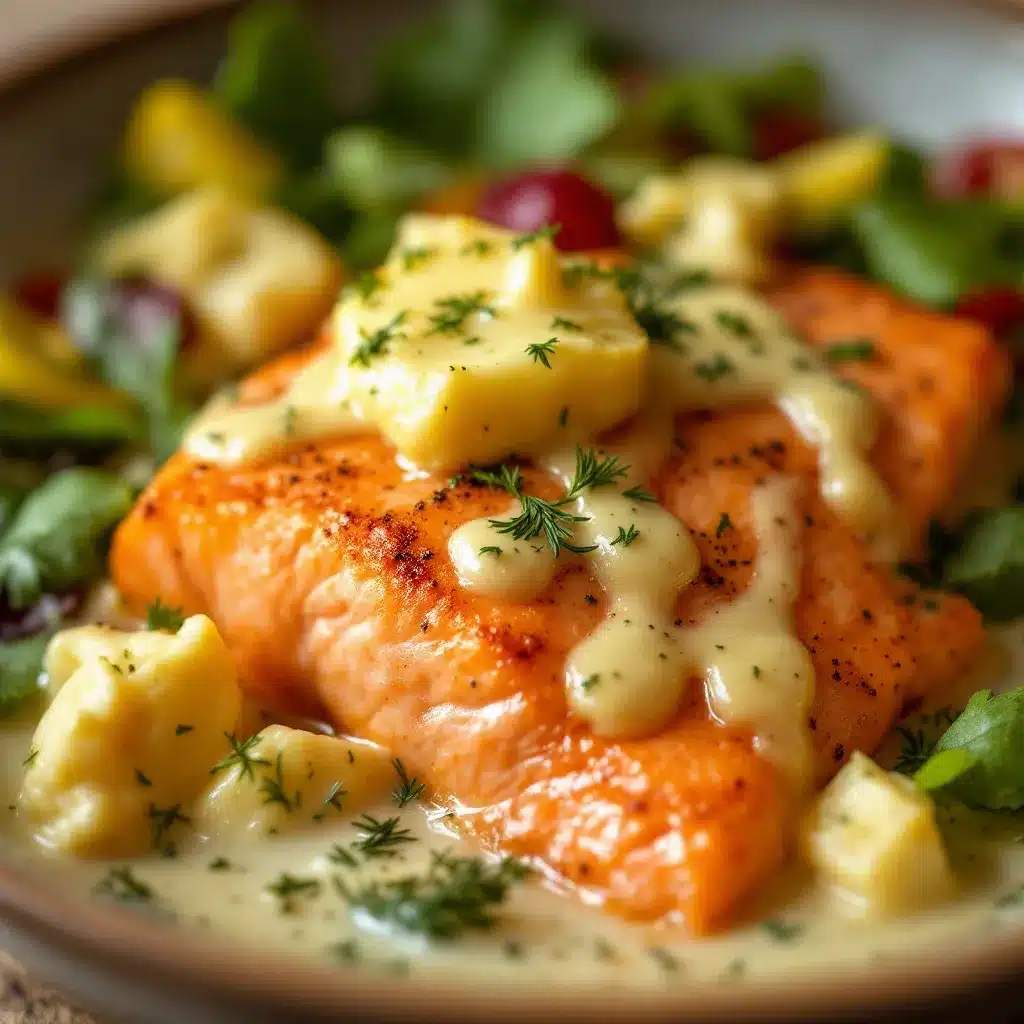
Getting this juicy baked salmon with lemon dill butter right is about precision and timing. Follow these steps closely for the best results. The total time is roughly 15-20 minutes, including prep.
- Preheat and Prep: Preheat your oven to 400°F (200°C). This high heat is key to cooking the fish quickly without drying it out. While the oven heats, line your 9×13 inch baking dish with parchment paper for easy cleanup, or lightly grease it with olive oil. Pat the salmon fillets dry with paper towels. Removing surface moisture helps the seasoning stick and prevents steaming.
- Make the Lemon Dill Butter: In a small bowl, combine 4 tablespoons of cold, unsalted butter (cubed or softened just slightly so it’s pliable), the zest of one lemon, 2 tablespoons of finely chopped fresh dill, 1 clove of minced garlic, and a pinch of salt and pepper. Mix this with a fork until it forms a loose paste. It doesn’t need to be smooth; chunky bits of herb are good.
- Season the Fish: Place the salmon fillets in the prepared baking dish. Brush the top of each fillet lightly with olive oil. Sprinkle a little salt and pepper on the top side. The olive oil helps the butter adhere to the fish so it doesn’t slide off.
- Apply the Butter: This is the critical step. Take your lemon dill butter mixture and divide it evenly among the fillets. You want to spread it across the top surface. Do not melt it first. It should sit on top as cold or room-temperature cubes/paste. If the butter is too soft, it will melt into the dish before the fish cooks. If it’s too hard, it won’t spread. Aim for a cool, pliable texture.
- Bake: Place the dish in the preheated oven. Bake for 12-15 minutes. The exact time depends on the thickness of your fillets. A good rule of thumb is 4-5 minutes per half-inch of thickness. Check the fish at the 12-minute mark.
- Check Temperature: Insert an instant-read thermometer into the thickest part of the fillet. Remove the salmon when it reaches 125°F (52°C) for medium-rare or 135°F (57°C) for medium. The fish will continue to cook slightly after being removed from the oven (carryover cooking). It should look opaque and flake easily with a fork.
- Rest and Serve: Remove the dish from the oven. Let the salmon rest for 2-3 minutes. This allows the juices to redistribute throughout the fillet. Squeeze a little fresh lemon juice over the top if you want extra brightness. Garnish with a sprig of fresh dill.
If you don’t have a thermometer, look for visual cues. The salmon should turn from translucent orange to opaque pink. When you press the top gently with a fork, it should flake apart easily along the white lines (fat seams). If it feels rubbery or resists flaking, it is overcooked.
Cooking Tips & Techniques
Mastering baked salmon comes down to avoiding the most common pitfalls. Here are some professional tips to ensure your juicy baked salmon with lemon dill butter turns out perfect every time:
- Don’t Overcook It: Salmon continues to cook after it leaves the oven. If you wait until it looks perfectly done in the oven, it might be dry by the time you sit down to eat. Pull it at 125°F. It’s better to be slightly under than over.
- Room Temperature Fish: Take your salmon out of the fridge 15-20 minutes before cooking. Cold fish going into a hot oven can cook unevenly, with the edges overcooking before the center is done. Letting it come to room temperature helps it cook more uniformly.
- Butter Temperature: As mentioned, keep the butter cool. If your kitchen is very hot, you might need to cube the butter and place it directly on top rather than mixing it into a paste. This ensures it melts slowly.
- Single Layer: Make sure the fillets are in a single layer with space between them. If you crowd the pan, the fish will steam instead of bake, leading to a soggy texture.
- Acid Balance: Taste your lemon juice before squeezing it on. Some lemons are more acidic than others. Add it gradually to find the right balance for your palate.
I once tried baking salmon at 350°F for 20 minutes, and it was dry as cardboard. The higher temperature at 400°F is essential for that quick, juicy result. Also, don’t skip the resting step. It seems minor, but it makes a noticeable difference in texture.
Variations & Adaptations
While the classic lemon dill flavor is my go-to, this recipe is a versatile canvas. Here are a few ways to adapt it:
- Honey Garlic: Swap the dill and lemon zest for minced garlic, honey, and a splash of soy sauce. Mix this with the butter for a sweet and savory glaze. It pairs wonderfully with rice.
- Spicy Cajun: Add smoked paprika, cayenne pepper, and garlic powder to the butter mixture. This gives the salmon a kick that pairs well with roasted vegetables.
- Mediterranean: Replace dill with fresh parsley and add a little crumbled feta cheese on top after baking. The feta melts slightly and adds a salty, creamy contrast.
- Dairy-Free: If you are avoiding dairy, use coconut oil or olive oil infused with lemon zest and herbs. It won’t be as rich, but it will still be moist.
- Gluten-Free: This recipe is naturally gluten-free, but always check your butter and spice blends for hidden additives if you have celiac disease.
I often make the honey garlic version for my kids because they prefer sweeter flavors. It’s a simple swap that keeps them eating their veggies. You can also adjust the thickness of the fillets by cutting large ones in half crosswise.
Serving & Storage Suggestions
This juicy baked salmon with lemon dill butter is best served immediately while the butter is still warm and the fish is flaky. Here is how to present and store it:
- Serving Ideas: Serve with roasted asparagus, steamed broccoli, or a simple green salad. It pairs beautifully with quinoa, rice pilaf, or crusty bread to soak up the buttery juices. A glass of crisp white wine, like Sauvignon Blanc or Pinot Grigio, complements the lemon notes perfectly.
- Storage: Store leftovers in an airtight container in the refrigerator for up to 2 days. The salmon will hold up well, but the texture may change slightly after a day.
- Reheating: Reheat gently to avoid drying it out. Use a microwave at 50% power for 30-60 seconds, or wrap it in foil and warm it in a 300°F oven for 10 minutes. Avoid high heat.
- Freezing: It is not recommended to freeze cooked salmon as the texture becomes mushy. If you must freeze, freeze the raw marinated salmon before baking.
The flavors meld nicely over time, so the leftovers taste great cold in salads the next day. I often use leftover salmon for salmon salads or sandwiches.
Nutritional Information & Benefits
This recipe is not only delicious but also packed with nutrients. Salmon is an excellent source of high-quality protein and omega-3 fatty acids, which are essential for heart and brain health. The lemon provides vitamin C, which boosts immunity, and the dill adds antioxidants. A typical 6-ounce fillet contains about 350-400 calories, depending on the richness of the butter. It is low in carbohydrates, making it suitable for keto and low-carb diets. However, be mindful of the butter content if you are watching your saturated fat intake. Overall, it’s a wholesome, balanced meal that supports a healthy lifestyle.
Conclusion
Making juicy baked salmon with lemon dill butter doesn’t have to be intimidating. With the right technique—specifically keeping that butter cool and not overcooking the fish—you can create a restaurant-quality meal at home. It’s quick, healthy, and incredibly satisfying. I hope you try this recipe and find it becomes a staple in your kitchen, just like it has in mine. Feel free to experiment with the variations to suit your taste. If you make it, I’d love to hear how it turned out. Leave a comment below with your thoughts or share a photo of your dinner table. Happy cooking!
Frequently Asked Questions
How do I know when salmon is done?
The most accurate way is to use an instant-read thermometer. Target 125°F for medium-rare or 135°F for medium. Visually, the fish should be opaque and flake easily with a fork.
Can I use frozen salmon?
Yes, but you must thaw it completely in the refrigerator overnight. Pat it very dry before seasoning. Frozen salmon can release more water, so you may need to adjust the cooking time slightly.
What side dishes go well with this salmon?
Roasted asparagus, steamed green beans, quinoa, or a simple arugula salad with lemon vinaigrette are excellent pairings. It also goes well with rice or crusty bread.
Can I grill this salmon instead of baking?
Yes, but the butter might drip through the grates. You can use a grill basket or foil packet to keep the butter and fish intact while getting that smoky grilled flavor.
Why did my salmon come out dry?
It was likely overcooked. Salmon cooks very quickly, and it’s easy to leave it in the oven too long. Use a thermometer and pull it out at 125°F. Also, ensure your oven temperature is accurate.
Pin This Recipe!
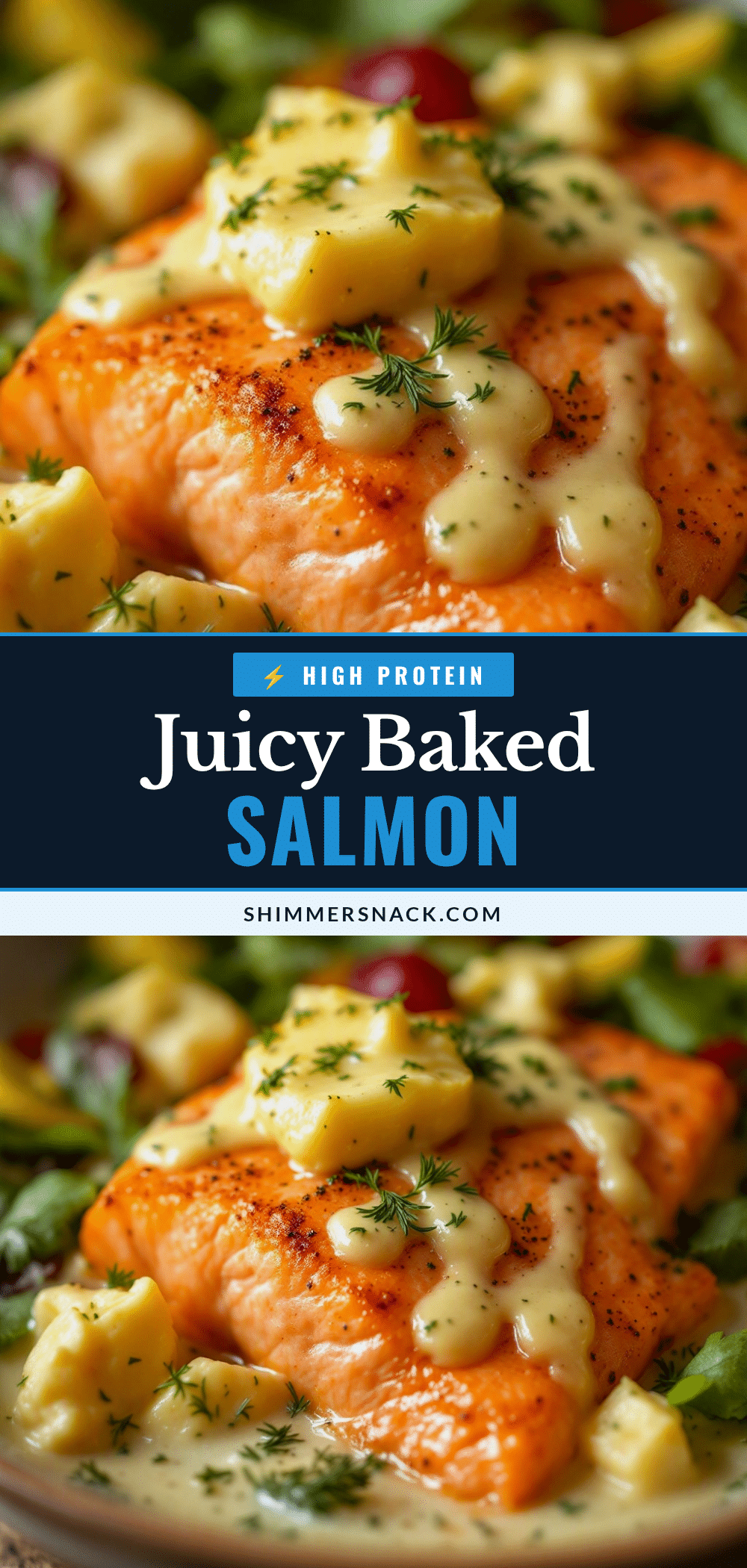
Juicy Baked Salmon with Lemon Dill Butter
A simple, weeknight-friendly baked salmon recipe that uses cold, cubed butter to create a self-basting effect, resulting in moist, flaky fish infused with fresh lemon and dill.
- Prep Time: 5 minutes
- Cook Time: 15 minutes
- Total Time: 20 minutes
- Yield: 4 servings 1x
- Category: Main Course
- Cuisine: American
Ingredients
- 4 salmon fillets (center-cut, approx. 6 ounces each)
- 4 tablespoons unsalted butter (cold, cubed or slightly softened)
- 1 lemon (for zest and juice)
- 2 tablespoons fresh dill (finely chopped)
- 1 clove garlic (minced)
- 1 tablespoon extra virgin olive oil
- Kosher salt and freshly cracked black pepper
- Sea salt flakes (optional, for garnish)
- Red pepper flakes (optional, for heat)
Instructions
- Preheat oven to 400°F (200°C). Line a 9×13 inch baking dish with parchment paper or grease lightly with olive oil.
- Pat salmon fillets dry with paper towels to remove surface moisture.
- In a small bowl, combine the cold butter, lemon zest, chopped dill, minced garlic, and a pinch of salt and pepper. Mix with a fork until it forms a loose paste.
- Place salmon fillets in the prepared baking dish. Brush the top of each fillet lightly with olive oil and sprinkle with salt and pepper.
- Divide the lemon dill butter mixture evenly among the fillets, spreading it across the top surface. Ensure the butter remains cool/pliable.
- Bake for 12-15 minutes, depending on thickness (approx. 4-5 minutes per half-inch).
- Check internal temperature with an instant-read thermometer. Remove when it reaches 125°F (52°C) for medium-rare or 135°F (57°C) for medium.
- Let salmon rest for 2-3 minutes before serving. Garnish with fresh dill and extra lemon juice if desired.
Notes
For best results, let salmon come to room temperature for 15-20 minutes before cooking. Do not melt the butter beforehand; cold butter melts slowly during baking to baste the fish. If using salted butter, reduce added salt. Salmon continues to cook after removal from the oven (carryover cooking).
Nutrition
- Serving Size: 1 fillet (6 oz)
- Calories: 375
- Sodium: 350
- Fat: 28
- Saturated Fat: 11
- Carbohydrates: 1
- Protein: 34
Keywords: baked salmon, lemon dill salmon, healthy dinner, quick weeknight meals, gluten-free, keto-friendly, omega-3