Love this? Save it for later!
Share the inspiration with your friends
I was standing in the grocery store parking lot last Tuesday, fumbling for my keys, when the air shifted. That specific cool, damp smell of autumn—the one that hits you right before the leaves really start to turn—and suddenly I was seven years old, sitting on a worn wooden stool in Mrs. Gable’s farmhouse kitchen. She wasn’t my grandmother, just the kind older lady who lived down the road and let me help her with the harvest. I remember the way her hands, rough from gardening, would cradle a butternut squash like it was something precious. She’d tell me, “This one’s going to be the sweetest.” I didn’t really get it then. I just liked the way the kitchen got all steamy and warm, the windows fogging up as she stirred a pot of something orange and magical. Honestly, I’d forgotten all about that until the parking lot smell hit me.
That afternoon, I went straight home and bought a butternut squash and a small sugar pumpkin. I had to try and get that feeling back—that cozy, safe, everything-is-going-to-be-okay feeling that only a really good bowl of soup can give you. And you know what? I messed up the first batch. I didn’t roast the vegetables long enough, and the soup was watery and sad. But the second time? That was it. This cozy creamy roasted butternut and pumpkin soup is my attempt to bottle that autumn afternoon. It’s rich, it’s velvety, and it tastes like someone giving you a hug from the inside out. Maybe you’ve been there, chasing a taste from your past. This one is worth the chase.
Why You’ll Love This Recipe
This isn’t just another squash soup recipe you’ll scroll past. I’ve tested this one more times than I care to admit, tweaking the roasting time, the spice blend, and even the type of cream to get it just right. Here is why I think it will become a staple in your kitchen, too.
- Deeply Flavorful: Roasting the butternut squash and pumpkin brings out their natural sugars, creating a sweetness you just can’t get from boiling. It adds a layer of caramelized, nutty flavor that makes this soup taste like it simmered all day.
- Incredibly Creamy Without Being Heavy: We use a combination of coconut milk and a touch of heavy cream. It gives you that luxurious, velvety texture without making you feel like you need a nap. It’s comfort food that still feels light.
- Uses Simple, Whole Ingredients: You don’t need any weird, hard-to-find stuff. This is a pantry-friendly recipe that relies on good, honest vegetables, a few warm spices, and a little bit of patience for the roasting step.
- Perfect for Meal Prep: This soup is a meal prepper’s dream. It tastes even better the next day, it freezes like a champ, and it’s just as good hot out of the pot as it is reheated for a quick lunch.
- A True Crowd-Pleaser: I’ve served this at a casual weeknight dinner and again at a more formal Thanksgiving gathering. It got rave reviews both times. Even my friend who swears she doesn’t like squash asked for the recipe.
What makes this version different? It’s the roasting, plain and simple. So many recipes skip this step or rush it. Taking the time to get a nice char on the squash and pumpkin is what transforms this from a simple soup into something truly special. It’s the kind of soup that makes you close your eyes after the first bite. It’s cozy, it’s creamy, and it’s exactly what you need when the weather turns cold.
What Ingredients You Will Need
This recipe uses a short list of wholesome ingredients to create a soup that is much greater than the sum of its parts. The quality of your vegetables really shines here, so try to get a good-looking butternut squash and a fresh pie pumpkin if you can find one.
- For the Roasted Vegetables:
- 1 medium butternut squash (about 2-3 pounds), peeled, seeded, and cut into 1-inch cubes. (Look for one that feels heavy for its size—that means it’s dense and sweet, not watery.)
- 1 small sugar pumpkin (about 2 pounds), or 2 cups of pumpkin puree. (If using a whole pumpkin, peel, seed, and cube it just like the squash. A sugar pumpkin is smaller and sweeter than a carving pumpkin.)
- 1 large yellow onion, roughly chopped. (The onion adds a savory base note that balances the sweetness of the squash.)
- 4 cloves of garlic, skin on. (Roasting the garlic whole in its skin makes it sweet and mellow—it’s a game-changer.)
- 3 tablespoons olive oil, for roasting.
- 1 teaspoon salt, plus more to taste. (I use kosher salt for roasting.)
- ½ teaspoon black pepper.
- For the Soup Base:
- 4 cups vegetable broth, low-sodium is best so you can control the salt. (I like Better Than Bouillon for its rich flavor.)
- 1 cup full-fat coconut milk, from a can. (This gives the soup its creamy texture without being too dairy-heavy. Shake the can well before opening.)
- ½ cup heavy cream, or more coconut milk for a dairy-free version.
- 1 teaspoon ground cumin. (Adds a warm, earthy depth.)
- ½ teaspoon ground ginger. (A little bit of warmth and zing.)
- ¼ teaspoon ground nutmeg, freshly grated if you have it. (A classic fall spice that ties everything together.)
- Pinch of cayenne pepper, optional, for a tiny bit of heat.
- For Garnish (Optional but Highly Recommended):
- Toasted pumpkin seeds (pepitas).
- A swirl of coconut milk or heavy cream.
- A sprinkle of fresh thyme or chives.
- A drizzle of good quality olive oil.
Equipment Needed
You don’t need a ton of fancy gadgets for this recipe, but a few key tools will make the process much smoother. I’ve learned the hard way that using the wrong tool can turn a simple job into a frustrating one.
- Large Baking Sheet: A half-sheet pan is ideal. It gives the vegetables enough room to roast in a single layer without steaming. If they’re crowded, they’ll get mushy instead of caramelized.
- Sharp Chef’s Knife: You will be cutting through hard squash and pumpkin. A sharp knife is non-negotiable for safety and efficiency. A dull knife is dangerous here.
- Vegetable Peeler: A sturdy Y-peeler makes short work of the butternut squash skin. I prefer it over a swivel peeler for this job.
- Large Dutch Oven or Heavy-Bottomed Pot: This is for sautéing the onions and simmering the soup. A heavy pot distributes heat evenly and prevents burning. A 5-6 quart size is perfect.
- Immersion Blender: This is my favorite tool for creamy soups. You blend it right in the pot—no messy transferring to a countertop blender. If you don’t have one, a regular blender works fine, just work in batches and be careful with the hot liquid.
- Measuring Cups and Spoons: For accuracy. Eyeballing spices can lead to a bland or overpowering soup.
Preparation Method
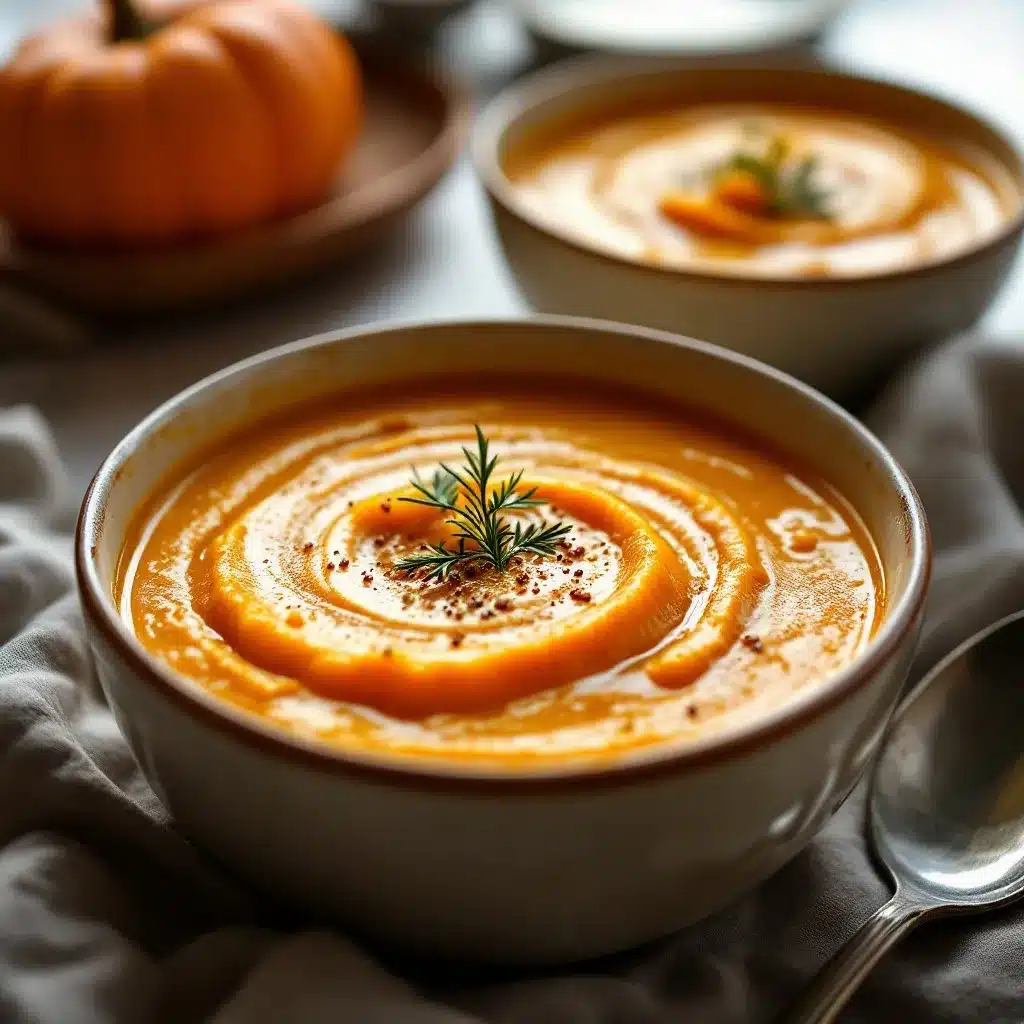
Alright, let’s get cooking. This recipe has a few steps, but I promise it’s mostly hands-off. The oven does the heavy lifting, and the stovetop work comes together quickly.
- Preheat and Prep (10 minutes): Preheat your oven to 400°F (200°C). Line your large baking sheet with parchment paper for easy cleanup. Peel and cube your butternut squash and pumpkin into 1-inch pieces. Don’t worry about being perfect, but try to keep them roughly the same size so they roast evenly. Toss the cubed squash, pumpkin, and chopped onion on the baking sheet. Add the whole garlic cloves (skin on!). Drizzle with 3 tablespoons of olive oil, then sprinkle with 1 teaspoon of salt and ½ teaspoon of pepper. Toss everything with your hands to coat evenly. Spread it into a single layer.
- Roast the Vegetables (35-40 minutes): Pop the baking sheet into the preheated oven. Roast for 35-40 minutes, flipping the vegetables halfway through with a spatula. You want them to be tender when pierced with a fork and have some nice, golden-brown caramelized edges. The garlic will feel soft when squeezed. Don’t skip the flipping step—it’s the key to even browning. The smell in your kitchen right now is going to be incredible.
- Sauté the Aromatics (5 minutes): While the vegetables are roasting, you can start the base. Place your large pot over medium heat. Add a tablespoon of olive oil or butter. Once it’s shimmering, add the roughly chopped onion (if you didn’t roast it with the squash—I prefer roasting it for more flavor, but you can also do this step). Sauté for 4-5 minutes until it’s translucent and fragrant. If you roasted your onion, skip this step and just get your pot ready for the next part.
- Simmer the Soup (15 minutes): Once the vegetables are done roasting, let them cool for a few minutes. Squeeze the roasted garlic cloves out of their skins into the pot. Add the roasted squash, pumpkin, and onion. Pour in the 4 cups of vegetable broth. Stir in the 1 teaspoon of cumin, ½ teaspoon of ginger, and ¼ teaspoon of nutmeg. Bring the mixture to a gentle boil, then reduce the heat to low, cover, and let it simmer for 15 minutes. This allows all the flavors to meld together.
- Blend Until Velvety (5 minutes): Remove the pot from the heat. If using an immersion blender, carefully blend the soup directly in the pot until it’s completely smooth. If using a countertop blender, work in batches. Fill the blender no more than halfway, remove the center cap from the lid to let steam escape, and cover it with a kitchen towel. Blend on low speed, then increase to high until smooth. Pour the blended soup into a clean bowl and continue with the remaining batches.
- Finish and Season (5 minutes): Return the blended soup to the pot. Stir in the 1 cup of coconut milk and ½ cup of heavy cream. Warm the soup over low heat, stirring occasionally. Do not let it boil after adding the cream, or it might curdle. Taste the soup and adjust the seasoning. You might need another ½ teaspoon of salt, a pinch more nutmeg, or a dash of cayenne for heat. The balance is up to you.
- Serve and Garnish (5 minutes): Ladle the hot soup into bowls. Garnish with a swirl of coconut milk, a sprinkle of toasted pumpkin seeds, and a few fresh thyme leaves. A drizzle of good olive oil right before serving adds a lovely, peppery finish. Serve immediately with crusty bread or a simple green salad.
Cooking Tips & Techniques
After making this soup a dozen times, I’ve picked up a few tricks that make a real difference. These are the little things I wish someone had told me when I first started.
- Don’t Skip the Roast: I know it’s tempting to just boil the squash to save time. Don’t do it. Roasting concentrates the flavor and adds a sweetness you simply cannot get any other way. That caramelized edge on the squash is pure gold. It’s the difference between a good soup and a great one.
- How to Avoid a Watery Soup: Wet, steamed vegetables are the enemy of a creamy soup. Make sure your squash and pumpkin are cut into even cubes and spread out on the baking sheet. If they are piled on top of each other, they will steam instead of roast. If you see a lot of liquid pooling on the baking sheet, your oven might not be hot enough, or the vegetables are too crowded.
- The Garlic Trick: Roasting garlic in its skin is a little bit of magic. It transforms the sharp, pungent cloves into a sweet, buttery paste. Just squeeze the soft garlic out of the skin after roasting. It blends into the soup seamlessly, adding a mellow, savory depth without any harshness. I once forgot to add it, and the soup was noticeably less complex.
- Season in Layers: Don’t just dump all the salt in at the end. Season the vegetables before roasting, season the broth as it simmers, and then taste and adjust at the very end. This builds flavor from the ground up. I learned this the hard way after making a soup that tasted flat despite adding a ton of salt at the end.
- Safety with Hot Liquid: This is the most important tip. When blending hot soup, the steam expands and can blow the lid off your blender, causing a huge mess and potential burns. Always remove the center cap, cover the hole with a folded kitchen towel, and start blending on low speed. Take your time. It’s not a race.
Variations & Adaptations
One of the best things about this soup is how flexible it is. You can change it up based on what you have in your pantry or what you’re in the mood for. Here are a few of my favorite ways to make it my own.
- Make it Vegan: This is an easy swap. Just use full-fat coconut milk for the entire creamy element and skip the heavy cream. The coconut milk adds a richness that works beautifully with the squash. You won’t miss the dairy at all.
- Add Some Heat: If you like a little kick, add a chopped fresh jalapeño (seeds removed for less heat) to the roasting pan with the vegetables. Or, stir in ½ teaspoon of red pepper flakes along with the other spices. A little heat cuts through the sweetness perfectly.
- Boost the Protein: For a more filling meal, stir in a can of drained and rinsed chickpeas or white beans when you add the broth. They blend up and make the soup thicker and more substantial. Or, top each bowl with some crispy, pan-fried chorizo or shredded rotisserie chicken.
- Try Different Squash: Don’t have a pumpkin? No problem. Use all butternut squash, or swap in acorn squash, kabocha squash, or even sweet potatoes. The flavor will change slightly, but it will still be delicious. I’ve made a version with only sweet potatoes and a touch of smoked paprika, and it was fantastic.
- A Curried Version: For a completely different flavor profile, swap the cumin, ginger, and nutmeg for 1-2 tablespoons of good quality curry powder. Add a teaspoon of grated fresh ginger and a clove of garlic to the pot. Finish with a squeeze of lime juice. It’s a whole new soup, and it’s wonderful.
Serving & Storage Suggestions
This soup is a star on its own, but the right accompaniments can turn it into a full meal. And because it stores so well, you can enjoy it all week long.
Serving: Serve this soup piping hot. I love it with a crusty sourdough bread for dipping, or alongside a simple arugula salad with a lemon vinaigrette. The peppery greens and bright dressing cut through the richness of the soup perfectly. For a fancier presentation, serve it in small cups or shot glasses as a starter for a fall dinner party. A swirl of cream and a few pomegranate arils on top look stunning.
Storage: Let the soup cool completely to room temperature before storing. Transfer it to an airtight container and keep it in the refrigerator for up to 5 days. The flavors actually deepen and meld together as it sits, so it often tastes even better the next day. I love making a big batch on Sunday for easy lunches all week.
Freezing: This soup freezes beautifully. Pour the cooled soup into freezer-safe bags or containers. Leave about an inch of headspace at the top, as the liquid will expand as it freezes. It will keep well for up to 3 months. To thaw, place the container in the refrigerator overnight, or run it under warm water to loosen it from the container before reheating.
Reheating: Reheat the soup gently on the stovetop over medium-low heat, stirring occasionally. You can also reheat individual portions in the microwave. If the soup has thickened too much after refrigeration, just stir in a splash of broth or milk to thin it out to your desired consistency.
Nutritional Information & Benefits
This soup is not only delicious, but it’s also packed with good-for-you ingredients. It’s a wonderful way to get a healthy dose of vegetables in a form that feels like a treat. Please note that these are estimated values and will vary based on specific ingredients used.
| Nutrient | Approximate Value Per Serving |
|---|---|
| Calories | 280-320 |
| Fat | 18-22g |
| Carbohydrates | 28-32g |
| Fiber | 6-8g |
| Protein | 4-6g |
| Vitamin A | Over 200% DV |
| Vitamin C | 25-35% DV |
Health Highlights: Butternut squash and pumpkin are loaded with Vitamin A, which is fantastic for your eyes and immune system. They are also great sources of fiber, which helps with digestion and keeps you feeling full. The anti-inflammatory spices like ginger and cumin add another layer of health benefits. It’s a soup that truly nourishes you from the inside out, all while tasting like a comforting hug.
Frequently Asked Questions
Can I use canned pumpkin puree instead of a fresh pumpkin?
Absolutely! If you are short on time, you can use 2 cups of canned pumpkin puree. Just skip the step of roasting the fresh pumpkin. You will still want to roast the butternut squash and onion for the best flavor. Stir the pumpkin puree in with the broth.
My soup is too thick. How can I thin it out?
No problem at all. Simply stir in more vegetable broth, a splash of milk, or even some water until it reaches your desired consistency. Start with a ¼ cup at a time and stir well before adding more. Remember that the soup will also thicken as it cools.
Can I make this soup in a slow cooker or Instant Pot?
Yes, with a slight adaptation. For a slow cooker, roast the vegetables first, then add them and the broth to the slow cooker. Cook on low for 4-6 hours or high for 2-3 hours. Blend and stir in the cream at the end. For an Instant Pot, use the sauté function to cook the onion, then add the roasted vegetables and broth. Pressure cook on high for 5 minutes, then do a quick release. Blend and finish with the cream.
How do I get the soup extra smooth without a blender?
If you don’t have an immersion or countertop blender, you can use a food mill or a potato ricer. This takes a bit more effort, but it will do the job. You can also use a fine-mesh sieve, pressing the soup through with the back of a ladle. It’s a workout, but the result is incredibly silky.
Can I leave out the coconut milk?
Yes, you can. For a lighter version, simply use all heavy cream, or skip the cream altogether and use a little extra broth. The soup will be less rich and creamy, but it will still be flavorful. You can also try using a splash of oat milk or cashew milk for a different kind of creaminess.
Conclusion
This cozy creamy roasted butternut and pumpkin soup is more than just a recipe—it’s a feeling. It’s the warmth of the kitchen on a chilly day, the comfort of a simple, nourishing meal, and the joy of recreating a cherished memory. I hope you make it, tweak it, and make it your own. Don’t be afraid to play around with the spices or the toppings. That’s the best part of cooking.
When you make it, I’d love to hear about it. Did you add a pinch of cayenne? Did you serve it with grilled cheese? Let me know in the comments below. Share your photos, your stories, and your own little tweaks. This recipe is meant to be shared, just like that afternoon in Mrs. Gable’s kitchen. Go make some cozy magic. You’ve got this.
Pin This Recipe!
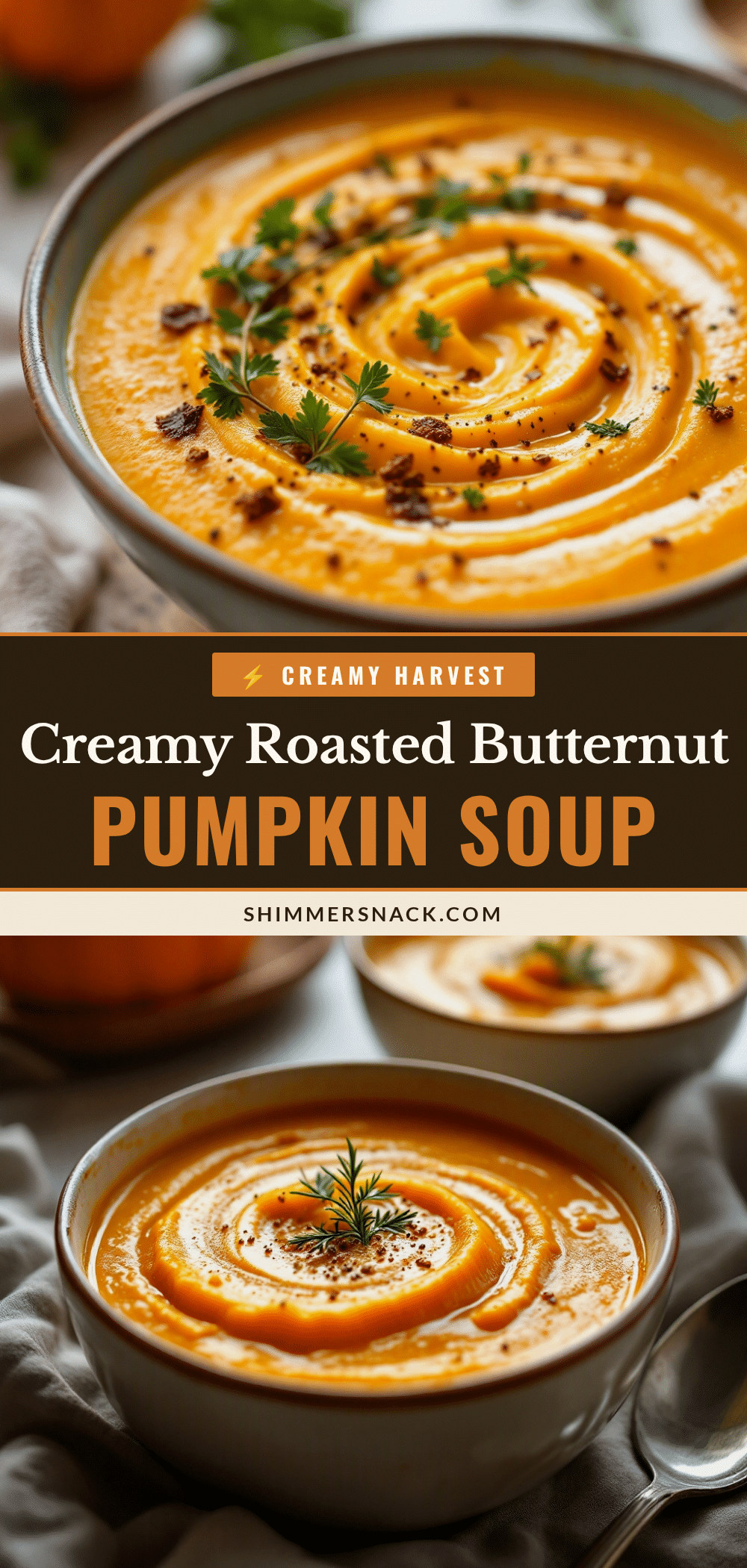
Cozy Creamy Roasted Butternut and Pumpkin Soup

This rich, velvety soup combines roasted butternut squash and pumpkin with warm spices and a touch of coconut milk for a comforting, autumn-inspired meal that tastes like a hug from the inside out.
- Prep Time: 15 minutes
- Cook Time: 40 minutes
- Total Time: 55 minutes
- Yield: 6 servings 1x
- Category: Soup
- Cuisine: American
Ingredients
- 1 medium butternut squash (about 2–3 pounds), peeled, seeded, and cut into 1-inch cubes
- 1 small sugar pumpkin (about 2 pounds), or 2 cups pumpkin puree
- 1 large yellow onion, roughly chopped
- 4 cloves garlic, skin on
- 3 tablespoons olive oil
- 1 teaspoon salt, plus more to taste
- ½ teaspoon black pepper
- 4 cups vegetable broth, low-sodium
- 1 cup full-fat coconut milk (from a can)
- ½ cup heavy cream (or more coconut milk for dairy-free)
- 1 teaspoon ground cumin
- ½ teaspoon ground ginger
- ¼ teaspoon ground nutmeg, freshly grated if possible
- Pinch of cayenne pepper (optional)
- Toasted pumpkin seeds (pepitas) for garnish
- Swirl of coconut milk or heavy cream for garnish
- Fresh thyme or chives for garnish
- Good quality olive oil for drizzling
Instructions
- Preheat oven to 400°F (200°C). Line a large baking sheet with parchment paper.
- Peel and cube butternut squash and pumpkin into 1-inch pieces. Toss with chopped onion, whole garlic cloves (skin on), olive oil, salt, and pepper. Spread in a single layer on the baking sheet.
- Roast for 35-40 minutes, flipping halfway through, until vegetables are tender and caramelized. Garlic should be soft when squeezed.
- If not roasting the onion, sauté it in a large pot with a little olive oil over medium heat for 4-5 minutes until translucent. Otherwise, skip this step.
- Squeeze roasted garlic cloves out of their skins into the pot. Add roasted squash, pumpkin, and onion. Pour in vegetable broth and stir in cumin, ginger, and nutmeg.
- Bring to a gentle boil, then reduce heat to low, cover, and simmer for 15 minutes.
- Remove from heat. Blend soup until smooth using an immersion blender or countertop blender (work in batches, venting steam).
- Return blended soup to pot. Stir in coconut milk and heavy cream. Warm over low heat, but do not boil.
- Taste and adjust seasoning with additional salt, nutmeg, or cayenne as desired.
- Ladle into bowls and garnish with a swirl of coconut milk, toasted pumpkin seeds, fresh thyme, and a drizzle of olive oil. Serve hot.
Notes
Roasting the vegetables is key for deep flavor. For a vegan version, use all coconut milk and skip the heavy cream. The soup thickens as it cools; thin with extra broth if needed. Store in the refrigerator for up to 5 days or freeze for up to 3 months.
Nutrition
- Serving Size: 1 bowl (about 1.5 cu
- Calories: 300
- Sugar: 8
- Sodium: 600
- Fat: 20
- Saturated Fat: 10
- Carbohydrates: 30
- Fiber: 7
- Protein: 5
Keywords: butternut squash soup, pumpkin soup, creamy soup, fall soup, roasted squash soup, vegetarian soup, gluten-free soup